que se puede comer para romper el ayuno intermitente ¿por qué no bajo de peso con el ayuno intermitente?
Have you ever heard about intermittent fasting? It’s a trending topic lately, and for good reason, as it has shown to be a very effective method to lose weight, improve health, and even prolong life. If you’ve decided to try it, you may be wondering whether skipping dinner or skipping breakfast is better. Well, the answer is not that simple, and it depends on your lifestyle and eating habits. But let’s dive into both options to help you decide. Skipping Dinner Skipping dinner and having an early dinner has been proven to be an effective way to lose weight and improve metabolism. When you eat later, your body naturally stores more energy because it prepares for sleep and rest, which slows down metabolism. Additionally, sleeping on a full stomach can lead to uncomfortable indigestion, whereas an empty stomach helps you sleep more soundly. However, skipping dinner isn’t for everyone. If you’re a night owl and tend to be up late, you may struggle with hunger pangs that tempt you to eat a snack. Also, if you have a job or lifestyle that involves late dinners and socializing, it may be challenging to maintain this routine. If you choose to skip dinner, remember to stay hydrated, as it can help reduce hunger. Also, make sure to have a substantial breakfast that includes protein, fiber, and healthy fats to fuel your body for the day ahead. Skipping Breakfast On the other hand, skipping breakfast is a popular form of intermittent fasting and involves having an early dinner and skipping breakfast the following day. This method is thought to be beneficial because it promotes a longer period of fasting, which has shown to improve metabolism, insulin sensitivity, and cellular repair. Additionally, skipping breakfast enables you to save time in the morning, which can be beneficial for those with a busy schedule. However, if you’re not used to skipping breakfast, you may experience hunger pangs and difficulty concentrating until you break your fast. If you choose to skip breakfast, make sure to have a healthy and balanced lunch that includes protein, complex carbohydrates, and healthy fats. It’s vital to avoid overeating during your eating window because it can negate the benefits of fasting. Final Thoughts In conclusion, choosing between skipping dinner or breakfast depends on your lifestyle and eating habits. Neither option is superior, but rather what works best for your body and schedule. Remember to stay hydrated, eat healthy and balanced meals within your eating window, and listen to your body. If you’re new to intermittent fasting, it’s recommended to consult with a healthcare provider to ensure it’s suitable for you. As always, consistency is key in achieving success with any lifestyle change. Good luck and happy fasting!
If you are looking for ¿Se puede perder peso rápidamente poniendo en práctica el ayuno you’ve visit to the right place. We have 5 Pictures about ¿Se puede perder peso rápidamente poniendo en práctica el ayuno like ¿Por qué no bajo de peso con el ayuno intermitente? - Quora, Ayuno intermitente, ¿qué es, cómo hacerlo, qué puedo comer y cuándo? and also ¿Por qué no bajo de peso con el ayuno intermitente? - Quora. Here you go:
¿Se Puede Perder Peso Rápidamente Poniendo En Práctica El Ayuno
 quenoticias.comAyuno Intermitente, ¿qué Es, Cómo Hacerlo, Qué Puedo Comer Y Cuándo?
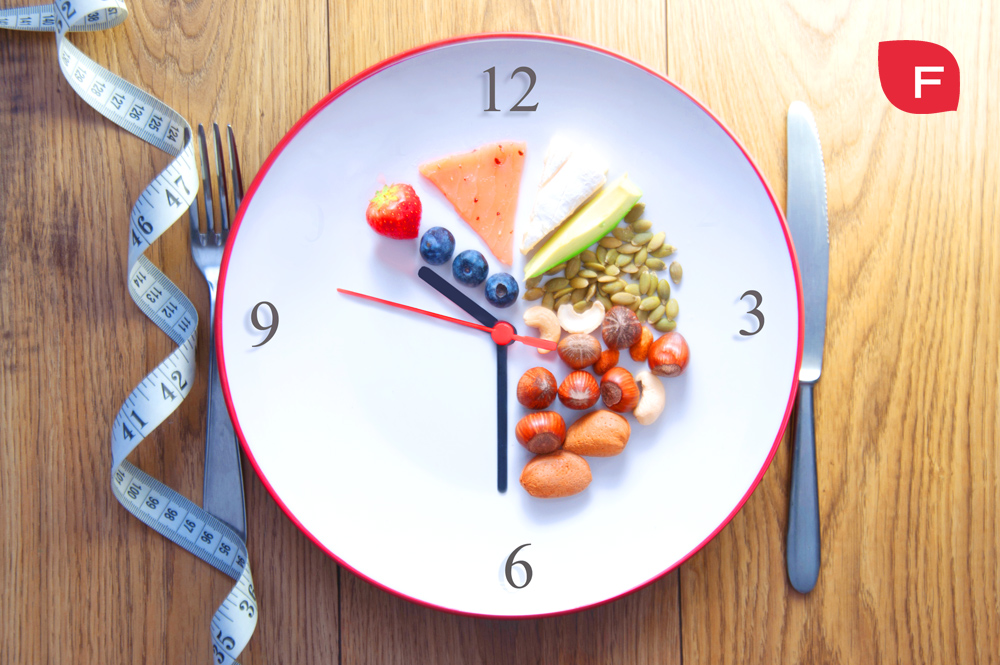 yoelijocuidarme.es¿Por Qué No Bajo De Peso Con El Ayuno Intermitente? - Quora
 es.quora.comQué Es Mejor Ayunar O No Cenar - OneOcean Club
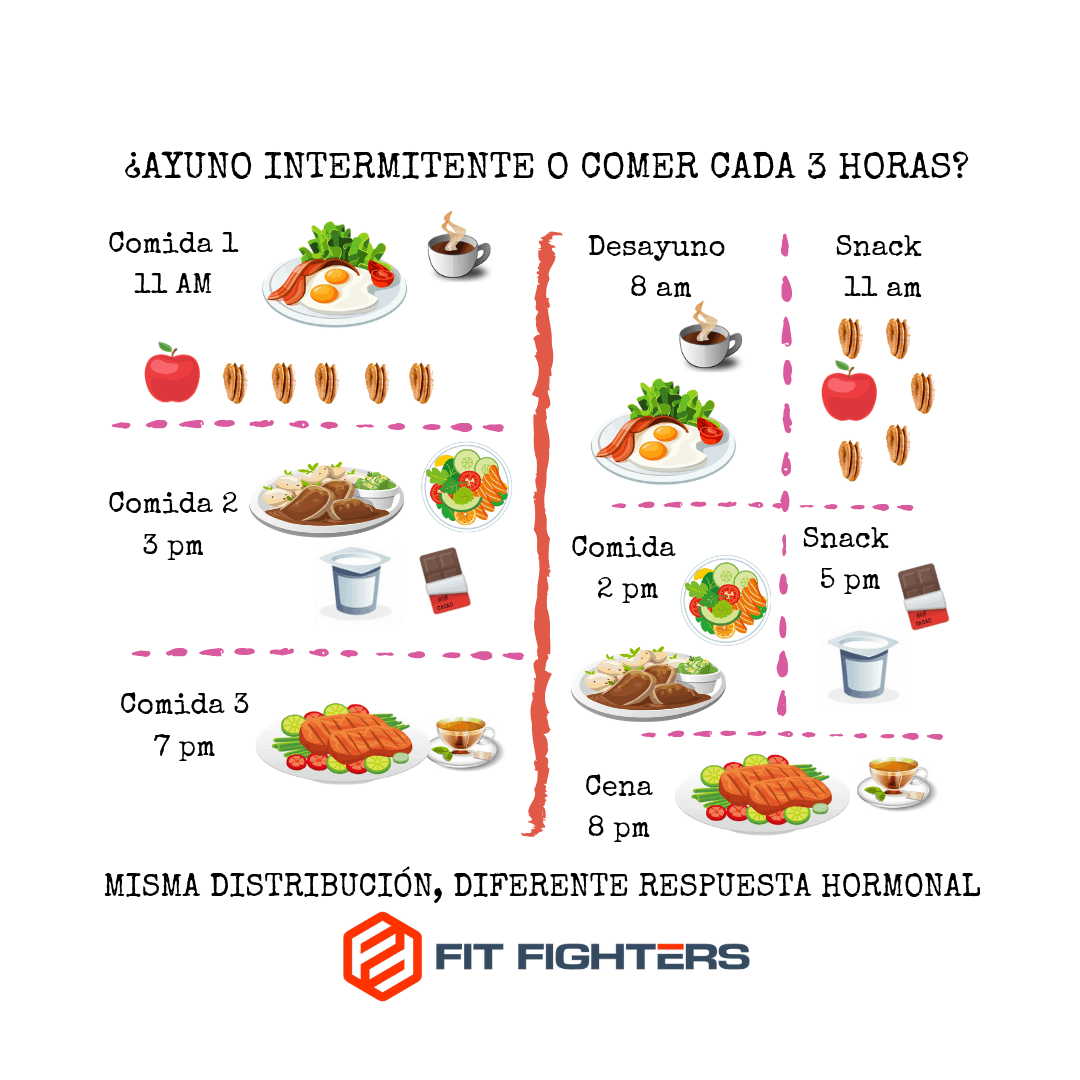 oneoceanclub.esAyuno Intermitente: ¿Qué Es, Cuáles Son Sus Beneficios, Cómo Hacerlo
 nscongiusyromano.com¿se puede perder peso rápidamente poniendo en práctica el ayuno. Qué es mejor ayunar o no cenar. Ayuno intermitente: ¿qué es, cuáles son sus beneficios, cómo hacerlo